How to Choose a Wearable Alarm Clock | Pavlok Guide
Daryl Fillion
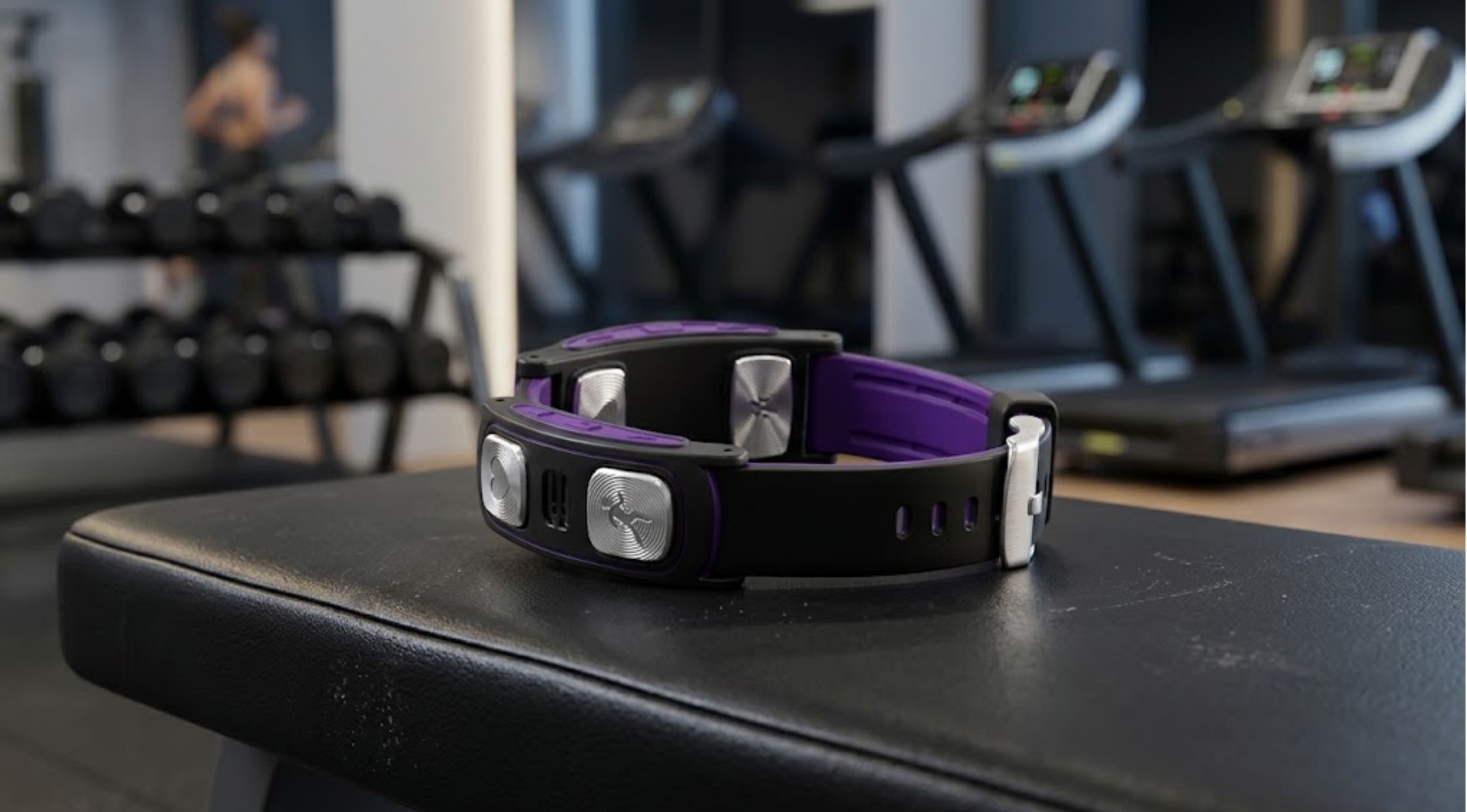
Waking up on time can be difficult when traditional alarms are easy to ignore.
Waking up on time can be difficult when traditional alarms are easy to ignore. Some people need a more interactive approach that combines sound, vibration, and other wake-up cues.
If you're researching a shocker bracelet, comparing a wearable alarm clock, or looking specifically at the Pavlok Shock Clock, understanding how these devices work can help you decide whether this type of alarm fits your routine.
Wearable Alarm Mechanics, Shocker Bracelets, & Pavlok Shock Clock
How to Choose a Wearable Alarm Clock
A wearable alarm clock is designed to stay on your wrist while you sleep and deliver wake-up signals directly through the device.
When choosing one, consider the alarm types, battery life, comfort, app controls, sleep features, and how easily you can disable or snooze the alarm.
Pavlok's Shock Clock line combines chimes, vibrations, and an optional electrical stimulus. The company also offers wake-up challenges that can require physical interaction before an alarm is dismissed.
This approach can be useful to consider if you regularly sleep through conventional alarms or automatically press snooze without fully waking up.
How a Shocker Bracelet Works
The phrase shocker bracelet can describe a wearable device that uses electrical stimulation as one of its available signals.
Pavlok's devices combine this feature with vibration and sound rather than relying on electrical stimulation alone. The company says users can customize their wake-up routine and adjust the stimulus settings through its app.
Because electrical stimulation is involved, users should follow the manufacturer's instructions and use the device only as intended. People with medical devices or health concerns should consult an appropriate healthcare professional before using products that provide electrical stimulation.
How to Understand the Pavlok Shock Clock
The Pavlok Shock Clock is a wrist-worn alarm designed around a sequence of wake-up signals.
The current Shock Clock 3 can use vibration, beeps, and an electrical stimulus. Its app allows users to create alarms, choose the combination of signals, and set the timing between them.
The device also includes a strap-lock mechanism intended to make it more difficult to unconsciously remove the watch while sleeping.
These features make the Shock Clock different from a standard bedside alarm because the wake-up process happens directly on your wrist.
Wake-Up Challenges, Comfort, & Battery Performance
How to Use Wake-Up Challenges
Some people don't need a louder alarm. They need a reason to physically get out of bed.
Pavlok's current Shock Clock system supports wake-up routines that can require actions such as doing jumping jacks, scanning a QR code, or solving a puzzle before the alarm is dismissed.
These options can add an active step to the morning routine. Instead of immediately reaching for a snooze button, you have to interact with the alarm according to the routine you configured.
How to Consider Comfort and Battery Life
A wearable alarm needs to remain comfortable throughout the night.
Look for a wristband that fits securely without becoming distracting. Battery life is also important because a wearable alarm that needs frequent charging can be inconvenient.
Pavlok currently describes its Shock Clock 3 as having a 7+ day battery life on its product comparison information, while its help center recommends avoiding showers and swimming even though the device is water resistant.
Check the current manufacturer's instructions because specifications and recommendations can change between models.
Pavlok Model Comparison & Morning Routine Integration
How to Choose Between Pavlok Devices
Pavlok offers several wearable devices with different purposes.
The Shock Clock 3 is primarily focused on wake-up training, while Pavlok 3 combines wake-up functions with broader habit-training features. The company also offers the Shock Clock MAX, which adds a screen and additional hardware features.
Before purchasing, think about whether your main goal is waking up reliably or whether you also want features for habit tracking and behavior routines.
How to Build a Better Morning Routine
A wearable alarm works best as part of a consistent sleep routine.
Try maintaining a regular bedtime, preparing your clothes and essentials the night before, and keeping your morning tasks organized.
If you use a Pavlok alarm, configure the wake-up sequence around your actual routine rather than making it unnecessarily complicated. The goal is to create a repeatable process that helps you transition from sleep to being awake.
Conclusion
Final Thoughts on Wearable Alarms
A wearable alarm clock can provide an alternative to traditional alarms by delivering wake-up signals directly from the wrist.
A shocker bracelet such as the Pavlok device combines vibration and sound with optional electrical stimulation, while the Pavlok Shock Clock also supports customizable alarms and wake-up challenges.
If you're considering Pavlok, compare comfort, battery life, alarm controls, wake-up challenges, and the features available on each model. Follow the manufacturer's instructions carefully, particularly when using electrical stimulation.
Comment:
Your email address will not be published. Required fields are marked *
Search
Related Posts
Oct 22, 2026
How to Choose the Right Pocket Voice Recorder | Heypocket
The ideal pocket voice recorder for everyday use is the one that best fits your needs.
Oct 22, 2026
How to Choose the Right Coffee Tools for Better Brewing
It isn't always necessary to have a more complex setup to produce better coffee.
Oct 22, 2026
How to Choose the Right Camp Snap Camera and Filters
Not all cameras with the most features are digital cameras.