How to Choose the Right Heavy Duty Dog Crate for an Anxious or Escape-Prone Dog
Daryl Fillion
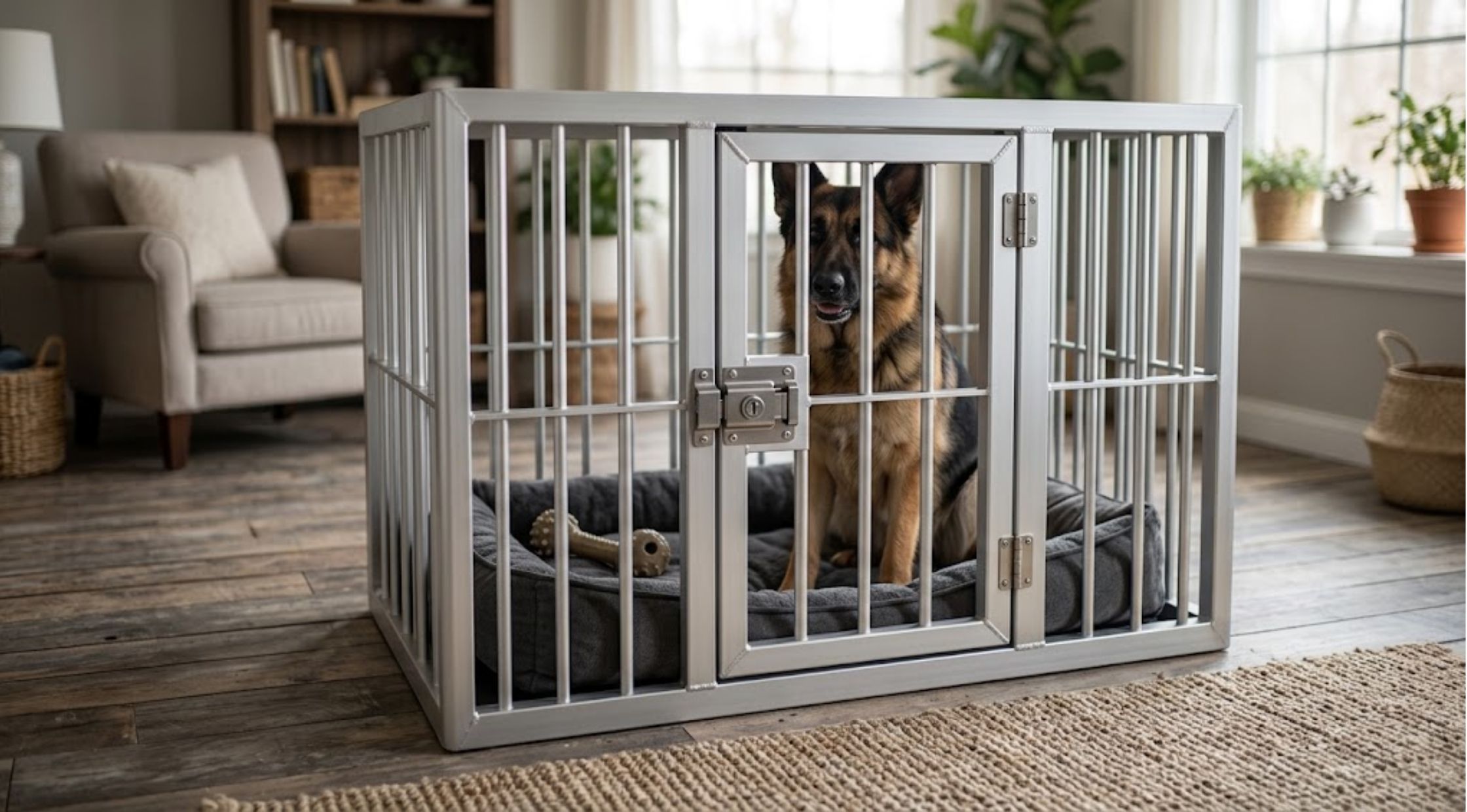
If so, you're probably familiar with the frustration of buying another crate only to discover that your dog can defeat it within days.
Does your dog bend the bars of a wire crate, chew through plastic, or somehow find a way out whenever you leave the room?If so, you're probably familiar with the frustration of buying another crate only to discover that your dog can defeat it within days.
For some dogs, a basic crate simply isn't enough. Strong, determined, anxious, or highly active dogs may put considerably more pressure on doors, corners, latches, and panels than an ordinary crate is designed to handle.
That's where Heavy Duty Dog Crates can become worth considering. But buying the strongest-looking crate isn't necessarily the answer. You need to understand what is causing the problem and which features actually address it.
Why Some Dogs Struggle With Standard Crates
Anxiety Can Change How a Dog Behaves
Some dogs become restless or attempt to escape when they're stressed, particularly when left alone or exposed to unfamiliar situations
An anxious dog may paw at doors, push against panels, chew edges, or repeatedly test the crate's weakest points.
This isn't necessarily about being "bad." The behavior can be a response to stress, excitement, frustration, or an established escape habit.
If anxiety is significant, a stronger crate should be considered alongside appropriate behavioral support and advice from a qualified veterinarian or behavior professional.
Some Dogs Are Simply Powerful
Large or muscular dogs can put substantial force against crate doors and walls.
A crate designed for an average dog may not be suitable for a dog that regularly pushes, scratches, or chews.
This is one reason construction matters. A crate isn't just a container it needs to withstand the type of pressure your individual dog is likely to apply.
What Should You Look for in Heavy Duty Dog Crates?
Before purchasing, look beyond the word "heavy duty" on the product page.
1. Strong Construction
Materials and overall construction should match your dog's size and behavior.
Metal construction can provide a different level of rigidity from lightweight plastic or basic wire designs. However, material alone isn't enough. Pay attention to how the panels, corners, doors, and frame are constructed.
A strong material paired with weak hardware doesn't necessarily create a secure crate.
2. A Secure Door and Locking System
The door is often one of the first areas an escape-prone dog will test.
Look for a door that fits securely into the frame and has hardware designed to resist pushing and manipulation.
Consider how your dog behaves. If they repeatedly target the latch, a basic slide bolt may not provide the level of security you need.
3. Appropriate Size
Bigger isn't automatically better.
Your dog should have enough room to stand, turn around, and lie down comfortably, while avoiding excessive unused space.
An appropriately sized crate can also make the space feel more controlled and manageable.
Always follow the manufacturer's sizing recommendations and measure your dog before ordering.
4. Ventilation and Visibility
Security shouldn't mean turning the crate into a closed box.
Adequate ventilation is essential, and many dogs benefit from being able to see their surroundings. Consider where the crate will be placed and whether your dog becomes more relaxed or more stimulated when they can see what's happening around them.
Don't Ignore the Environment
Even the best crate won't solve every escape problem.
Think about what happens immediately before your dog tries to get out.
Does it happen when you leave? During thunderstorms? Around unfamiliar people? When another animal is nearby?
Identifying the trigger can help you address the underlying behavior rather than relying entirely on stronger equipment.
You can also improve the environment by placing the crate somewhere calm, maintaining a consistent routine, and introducing crate time gradually.
Never use a crate as punishment, and don't leave a dog confined for longer than is appropriate for their individual needs.
When a High Anxiety Dog Crate May Make Sense
If your dog repeatedly attempts to escape because of stress or intense anxiety, a purpose-designed High Anxiety Dog Crate may be worth investigating.
The key is to look for a crate specifically engineered around security rather than simply choosing the largest standard model available.
Impact Dog Crates, for example, offers a High Anxiety model constructed from reinforced aluminum and designed with security-focused hardware. The company specifically markets it for dogs that may attempt to escape conventional crates.
This type of construction can provide a different level of physical security from a conventional wire crate.
However, a stronger crate should complement not replace appropriate behavioral management when anxiety is the underlying issue.
When Portability Matters
Not every dog needs a permanently installed crate.
If you travel frequently, visit family, compete in dog sports, or regularly transport your dog, portability can become just as important as strength.
A heavy crate that is difficult to move may not be practical for your lifestyle.
Impact Dog Crates also offers collapsible models designed around easier transportation and storage. Its Collapsible Dog Crate is built from aluminum and is designed to fold down when not in use.
The important thing is to decide whether your priority is maximum security, portability, everyday use, or a combination of these.
The Benefits of Upgrading Your Dog's Crate
Greater Durability
A properly constructed heavy-duty crate can be better suited to dogs that place significant physical pressure on their surroundings.
More Secure Containment
A robust frame and properly designed door hardware can reduce the likelihood of an escape through weak panels or easily manipulated doors.
Better Long-Term Value
Replacing multiple inexpensive crates can become expensive. If your dog has already demonstrated that ordinary designs aren't suitable, investing in a more durable option may make more practical sense.
Greater Peace of Mind
Knowing that your dog's crate is designed for their size and behavior can make travel, rest periods, and everyday routines less stressful for owners.
Impact Dog Crates focuses its product range around durable aluminum construction, with models intended for different needs, including High Anxiety, Collapsible, and Stationary crates.
Choose Based on Your Dog, Not Just the Product Label
The best Heavy Duty Dog Crates aren't necessarily the biggest or most expensive ones.
Start with your dog's actual behavior.
Does your dog chew? Push? Scratch? Manipulate latches? Panic when left alone? Travel frequently?
Your answers will help determine what features matter most.
If anxiety is the main issue, look beyond physical strength and consider behavioral support as well. If your dog is simply exceptionally strong or destructive, construction and door security may become higher priorities.
For owners who have already gone through several standard crates, a premium option such as Impact Dog Crates may provide a more purpose-built solution. Its High Anxiety model is specifically designed around secure containment, while its other models address portability and everyday use.
Final Thoughts
Choosing a crate for an escape-prone or anxious dog requires more thought than simply finding the strongest-looking product.
Consider construction, door hardware, size, ventilation, portability, and most importantly, the reason your dog is trying to escape in the first place.
A High Anxiety Dog Crate can provide stronger physical containment, but it works best as part of a broader approach that considers your dog's comfort and behavior.
If ordinary wire or plastic crates haven't held up, it may be time to stop replacing them with another standard model and instead choose equipment designed around your dog's actual needs.
The right crate should provide security without making your dog's everyday environment unnecessarily stressful and give you confidence that the solution is built for the dog you actually have.
Comment:
Your email address will not be published. Required fields are marked *
Search
Related Posts
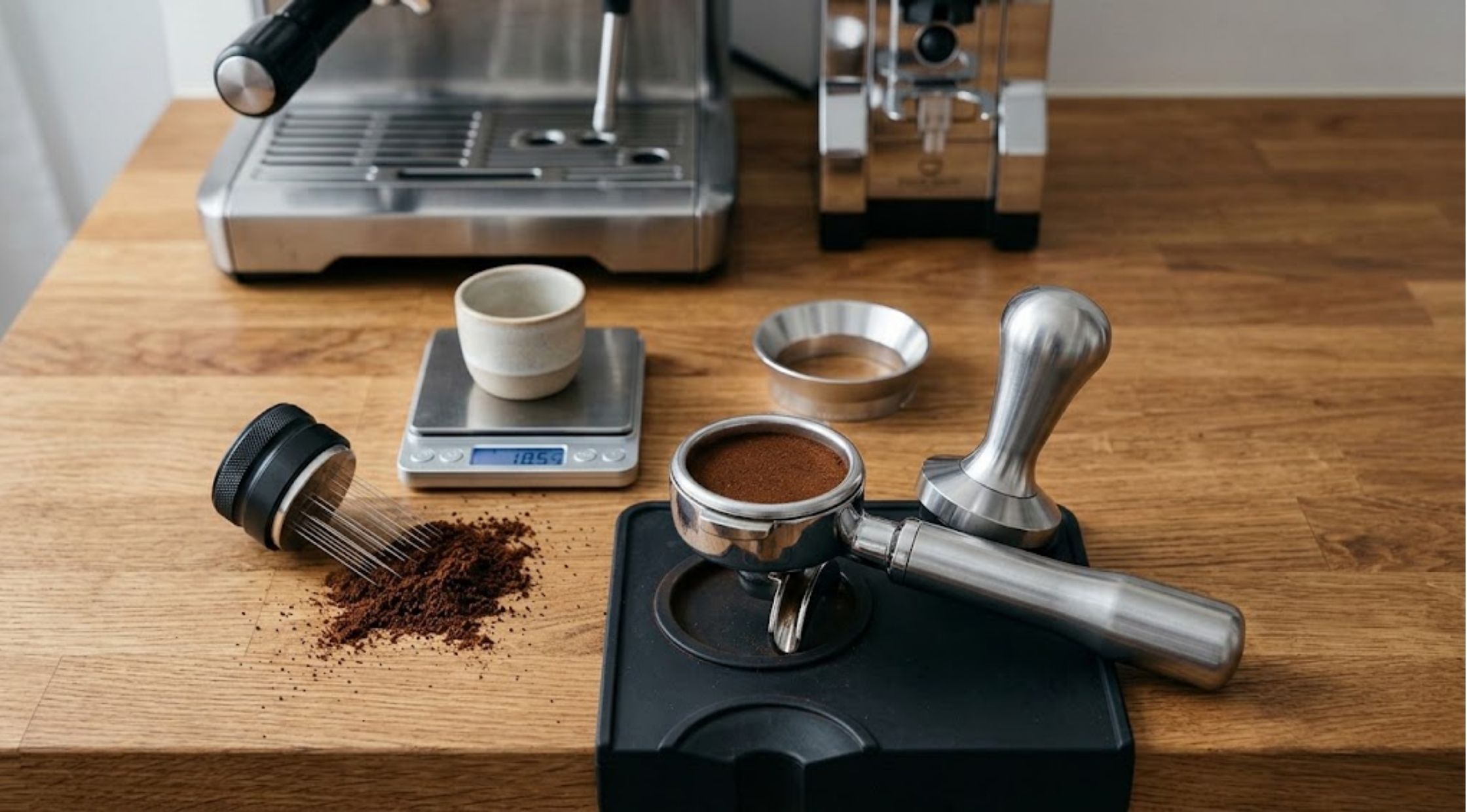
Oct 12, 2026
How to Choose the Right Espresso Tool and Barista Tools for Better Home Coffee
You have a good espresso machine, fresh beans, and plenty of enthusiasm, but your shots still don't come out the way you expect.
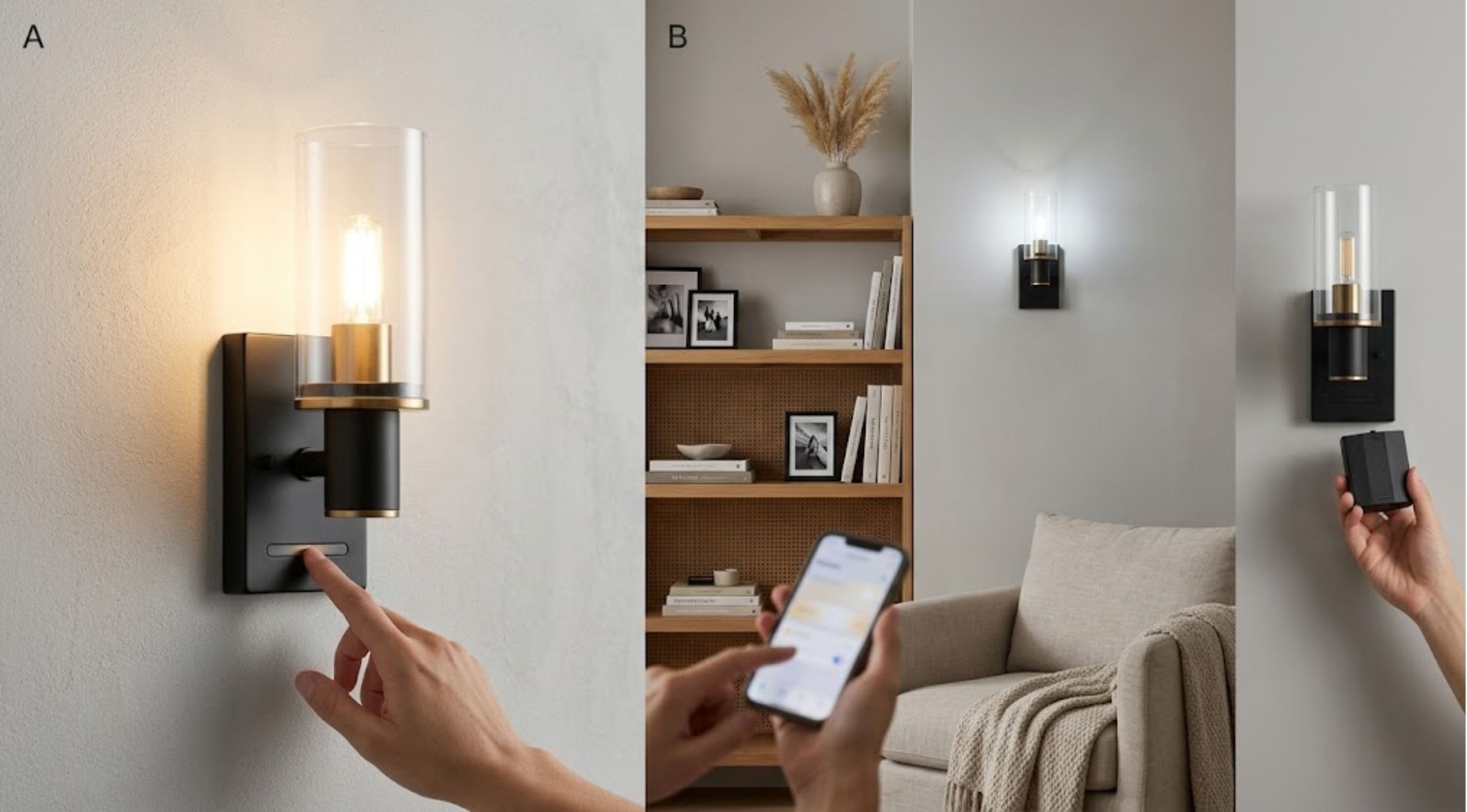
Oct 12, 2026
How to Choose the Right Wall Sconces for a Stylish, Flexible Home
Traditional lighting can make a simple decorating upgrade feel like a major project.
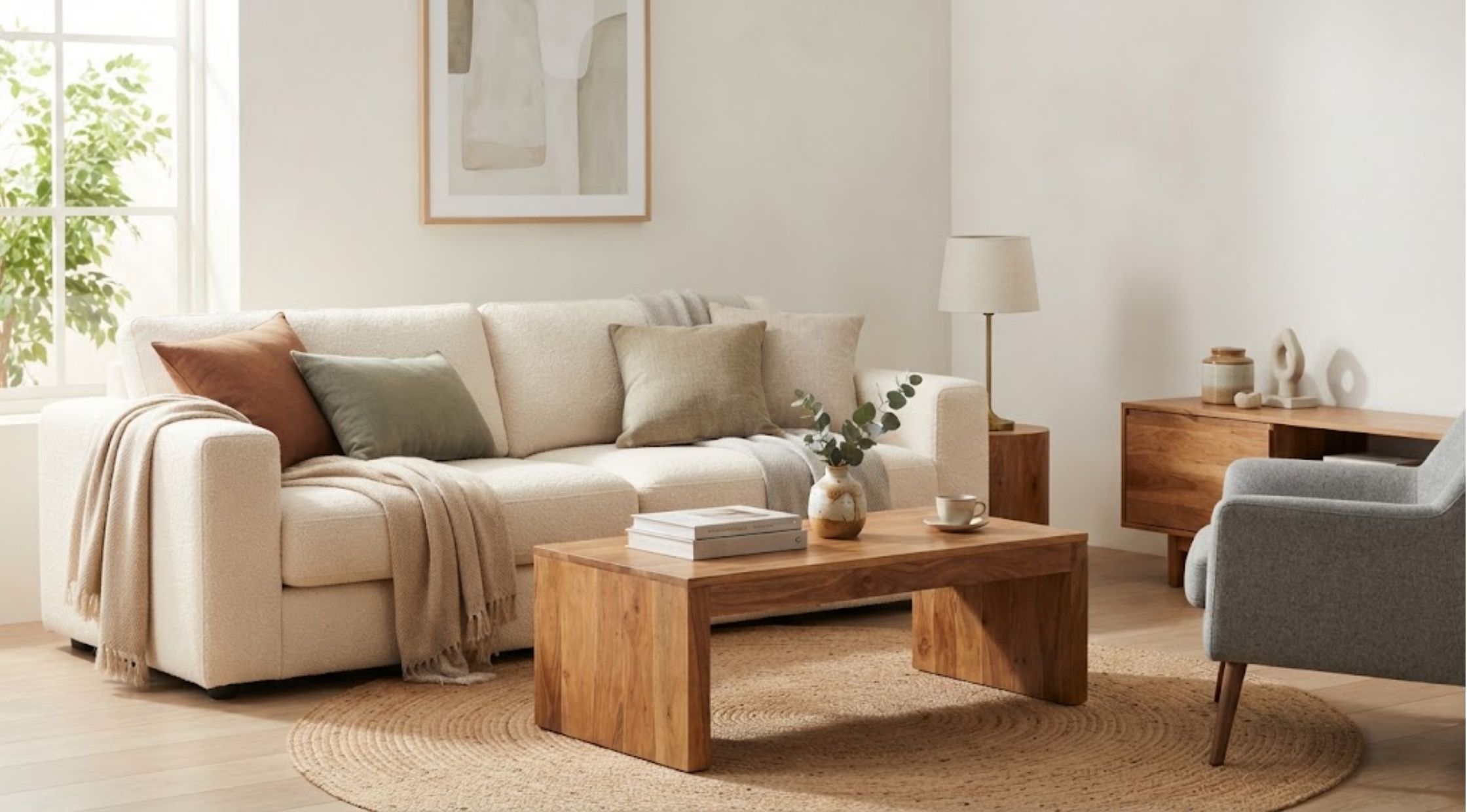
Mar 21, 2026
How to Choose Furniture That Makes Your Home Feel Comfortable and Complete
Creating a comfortable home can feel surprisingly difficult.